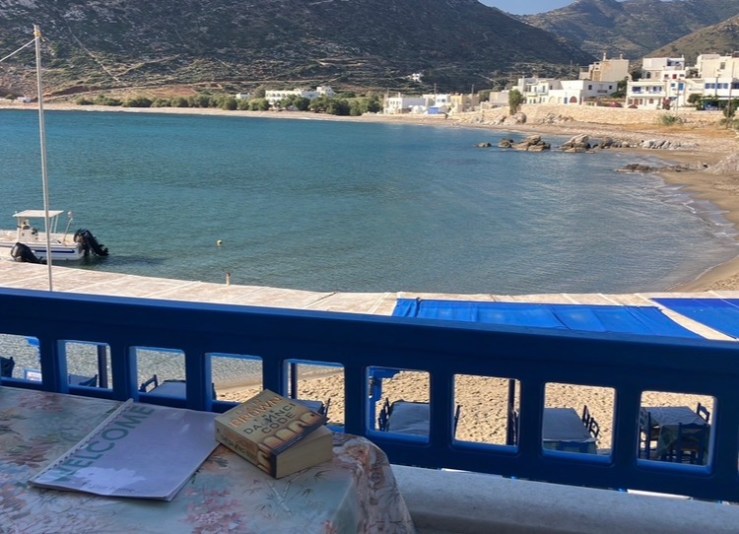
As global travel trends shift toward preservation, sustainability has become a top priority for conscious travelers. In the Cyclades, fragile island ecosystems face immense pressure from seasonal over-tourism, making responsible travel choices more critical than ever.
Naxos, the largest and most fertile island in the Cyclades group, is uniquely positioned for eco-tourism. Unlike islands that rely strictly on tourism, Naxos has a thriving agricultural economy, producing its own potatoes, olives, and world-renowned cheeses.
If you are staying at our digital detox studios in Apollonas, you are already reducing your carbon footprint by choosing an intentionally unplugged, low-energy accommodation. Here is how you can travel responsibly and protect the delicate natural resources of Naxos during your summer escape.
💧 1. Respect the Cycladic Water Crisis
Water scarcity is one of the most critical environmental challenges facing the Aegean islands. The combination of minimal winter rainfall and skyrocketing summer demand puts an enormous strain on underground aquifers and local springs. According to the Global Water Partnership Mediterranean (GWP-Med), sustainable water management on Greek islands relies heavily on local conservation efforts and non-conventional water resources.
When staying in our traditional white-and-blue studios, practicing mindful water habits makes a massive local impact:
- Keep Showers Brief: If you are staying in our Two-Terrace apartment, rinse off the Aegean salt under the open sky in the exterior outdoor shower, which is using the heat of the sun to be warm and no electricity. But be sure to turn the valve completely off when done.
- The Tap Rule: Turn off the faucet while soaping your hands, brushing your teeth, or scrubbing dishes in the kitchen sink.
- Scrape, Don’t Rinse: In our apartment with the two balconies, use the convenient pass-through kitchen window to collect dishes, but scrape food scraps straight into the bin before washing to minimize water use.
🏖️ 2. Protect the Marine Life and Hidden Shores
The crystal-clear coastlines of northern Naxos are home to diverse marine life, including vital Posidonia oceanica (seagrass) meadows, which act as the “lungs” of the Mediterranean Sea by absorbing carbon and protecting beaches from erosion.
You can see the Posidonia oceanica in Aformoi beach, when the sea brings them out.
To keep the waters not only at the main Apollon Beach and the secret cove of Aformoi Beach pristine but all over the island:
- Switch to Reef-Safe Sunscreen: Traditional sunscreens contain chemicals like oxybenzone and octinoxate, which wash off into the water and harm marine life. Opt for mineral-based, biodegradable sunscreens.
- Pack Out Your Trash: Wind can easily sweep lightweight plastics from a beach towel into the sea. Always carry a small canvas bag in your daypack to secure your trash until you reach the village disposal bins.
- Leave No Trace on Trails: When hiking past the 2,500-year-old ancient Kouros statue or taking the coastal trek to Aformoi Beach or Agios Feekas beach, stay on the marked paths to prevent soil erosion and protect native flora.
🍽️ 3. Support the “Farm-to-Fork” Village Economy
One of the easiest ways to practice eco-tourism is to keep your travel spending local. Importing food onto islands requires significant shipping energy, which spikes carbon emissions. By eating what is grown directly on Naxos, you support local farmers and drastically reduce transport emissions.
According to research from the European Environment Agency (EEA), supporting regional, short-supply-chain agriculture is a pillar of sustainable rural development.
In Apollonas, you can taste the island’s famous culinary self-sufficiency at our waterfront tavernas:
- Kalimera: Famous for its exceptional, locally sourced grilled meats and traditional Naxian potatoes.
- Apollon Restaurant: Exceptional for fish dishes and Naxian cheeses like Graviera Naxou.
- Stin Plaz, Akrogiali, Limanaki & La Sabbia: Ideal for trying locally produced Kitron, a rare citrus liqueur distilled exclusively on the island from local citron tree leaves. Mastiha is also a good choice cause it is a greek spirit and it has to come from Chios island, but it is still greek.
📵 4. Embrace the Slow Travel Philosophy
True eco-tourism is as much about your mindset as it is about the environment. By staying in a designated digital detox space with no Wi-Fi or televisions, you reduce phantom energy draw and blue-light pollution. More importantly, it forces a shift into “Slow Travel”—a practice of staying in one place longer, deeply connecting with the local community, and minimizing rapid, multi-island ferry hops.
Unplug from the grid, open a classic board game with your favorite person on the sunset balcony, listen to the natural symphony of the Aegean waves, and know that your stay is actively preserving the authentic charm of Naxos.
Some small touches that we have in all our places are:
- textile bags (and mesh bags for produce) to go pick up bread
- textile bags for shopping
- glass or metalic straws instead of plastic
- water bottles to get tap water in your excursions and the pick nicks in the island
- coffee mugs for you to take with you instead of using one use plastic ones and throw them away afterwards (after 10 minutes of use)
- recycle bag for clean recyclable materials
How we further try to help:
- we recycle and we also promote it (we bring it ourselves to Chora, cause there is no place to bring them in Apollon)
- we keep the blinds closed, in order to keep the temperatures lower in the summer
- slowly we try to replace normal detergents with enviromentaly friendlier ones
- we reuse glas jars for storage
- we reuse/repurpose furniture and textiles
- we buy second hand
- we switch slowly to Led lights
- we air dry our washed clothes
- we try to plant native plants, in order to avoid pesticides
- we compost so we do not need to buy fertilizers
- we let the windows and doors open and try to use the lights as less as possible
- we try to be zero waste in the kitchen
- we try to buy package free produce or we bring our own mess-bags
📚 Sources & Further Reading
- For details on island water conservation and sustainable management practices in the Cyclades, visit the Global Water Partnership Mediterranean (GWP-Med) Portal.
- To learn about the ecological importance of preserving short supply chains and local agricultural heritage in Europe, read the European Environment Agency (EEA) Reports.
- To discover Naxos’ sustainable agricultural self-sufficiency and certified local products, browse the Official Cyclades Tourism Portal.
Our places at Apollon:
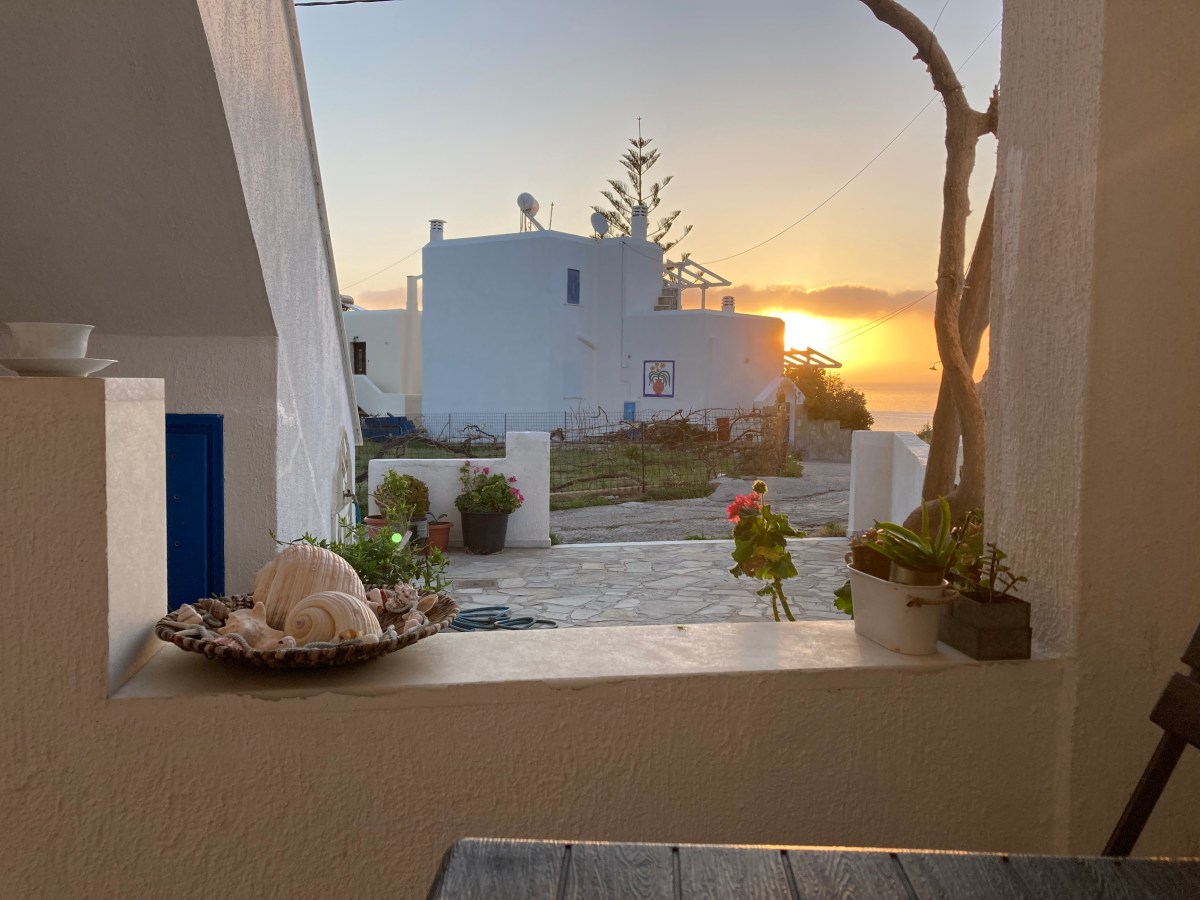
The house with the two terraces – quiet Cycladic apartment w/ Outdoor Shower & Terraces
Welcome to your two-terrace sanctuary in Apollonas! 🌅🚿 Below you can see the exterior of this house and more detailed fotos of the two terraces. The Sunrise Terrace: Wake up early, open the doors, and watch the golden Greek sun rise over the Aegean Sea with your morning coffee: Enjoy the sunrise from the terrace! Let’s…
Keep reading
The house with the two balconies – Offline White-Blue apartment w/ Sunset View balcony
We are excited to welcome you to our traditional white-and-blue apartment in the peaceful, historic village of Apollonas, Naxos. Your apartment is perfectly set up for relaxing evenings, home-cooked Mediterranean meals, and cozy comfort. 🏡 Your Private Spaces & Amenities: Below you can see the exterior of this house and more detailed fotos of the…
Keep reading
