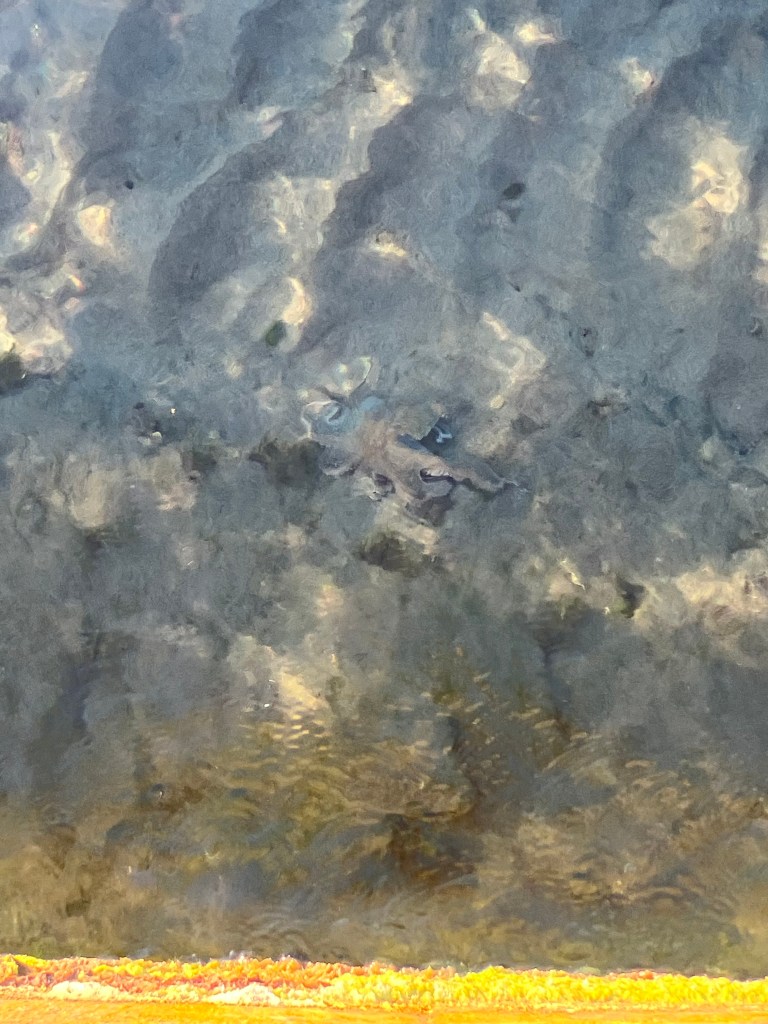
This rare blend of pristine nature and intelligent marine life is exactly what makes a stay at Apollon so unforgettable. Located just a 30-second walk from the very waters where these incredible creatures thrive, our rentals offer you the unique luxury of stepping out your front door straight into a pure ecosystem. Whether you are greeting our local octopus neighbor before your morning run or watching the crystal-clear Aegean Sea from your balcony, you are experiencing Naxos at its absolute purest. Don’t just read about the magic of Apollon—live it.
Octopuses are among the most fascinating and intelligent invertebrates on the planet, possessing a complex nervous system where two-thirds of their neurons are located entirely within their arms. This unique biological structure allows each arm to independently taste, smell, and explore its surroundings while the central brain coordinates overall movement. Beyond their remarkable problem-solving skills and tool use, octopuses are also highly valued by scientists as excellent biological indicators of water quality. Because they breathe through their skin and gills, they are highly sensitive to pollution, meaning their presence in shallow waters serves as an official confirmation of a pristine, healthy marine ecosystem.
When exploring the vibrant marine life around the Cyclades, the specific species you will encounter along the docks and reefs of Naxos is the Common Octopus (Octopus vulgaris). This creature is famous for its exceptional camouflage abilities, allowing it to rapidly alter both its skin color and texture to blend seamlessly into the Aegean sea floors, rocks, and sandy crevices. Local conservation efforts, such as those led by Naxos Wildlife Protection, actively work to safeguard these highly intelligent residents from overfishing, ensuring that the local ecosystem remains balanced and that future visitors can continue to enjoy magical encounters right off the shores of Apollon village.
Here is the information about the reproduction and lifecycle numbers of the Common Octopus (Octopus vulgaris):
Reproduction and Lifecycle Numbers
- 100,000 to 500,000 eggs: A single female octopus lays a massive amount of eggs in her lifetime. She weaves them into long, delicate chains and cements them safely to the roofs of underwater caves or rocky crevices.
- Less than 1% survival rate: Out of the hundreds of thousands of eggs, only a tiny fraction survive. Due to heavy predation and ocean currents when they are tiny drifting larvae, often only a few individuals per clutch make it to adulthood.
- Age of maturity: Octopuses grow incredibly fast but have very short lives, usually lasting only 1 to 2 years. In the warm waters of the Mediterranean, males reach sexual maturity at around 170 days old (about 5.5 months). Females mature slightly later, usually starting to reproduce between 210 and 390 days old (about 7 to 13 months).
- A one-time event (Semelparity): Octopuses reproduce only once in their entire lifetime. Once the female lays her eggs, she stops eating completely and spends weeks guarding and cleaning them. Shortly after the babies hatch, the mother dies of sheer exhaustion.
Bibliograpy
- Common octopus – Naxos Wildlife Protection
- Eight Strange and Wonderful Facts About Octopuses | Shedd Aquarium
- Octopus… – Smithsonian National Museum of Natural History | Facebook
- Octopuses keep surprising us – here are eight examples how | Natural History Museum
- Octopus vulgaris | INFORMATION | Animal Diversity Web
- Common Octopus (MatBio: MOLLUSKS – Matanzas Biodiversity) · iNaturalist
- Reproductive development versus estimated age and size in a wild Mediterranean population of Octopus vulgaris (Cephalopoda: Octopodidae) | Journal of the Marine Biological Association of the United Kingdom | Cambridge Core
- Octo-Mom: How Do Octopus Give Birth? – OctoNation – The Largest Octopus Fan Club!

